Aug 01, 2026
The Power of Letting Children Do It Themselves
2 min read
Why Independence Matters in Early Childhood
Raising independent children starts with the small moments, daily routines often bring out a child’s desire to do things independently — and a parent’s instinct to jump in and help. When time is short or emotions run high, it can be hard to let children try things on their own, but it’s an important step in their development.
Healthy independence isn’t about rushing children to grow up — it’s about giving them opportunities to build confidence, persistence and problem-solving skills that support learning and growth at every age. Research shows that children who are encouraged to try age-appropriate tasks on their own develop stronger self-reliance and confidence over time.
Try these tips to foster independence in your child.
- Plan Ahead – If your child is interested in doing things on their own, it can be helpful to build in some extra time. For example, if they want to put on their own coat, getting to the door a few minutes early can take away the stress of running late. It’s important to be patient and allow your child to give it a go on their own. Gently remind them that if they do need help, or if they would like to do it together with you, you are happy to help them. After a few tries, they will usually either ask for help or at least be open to it.
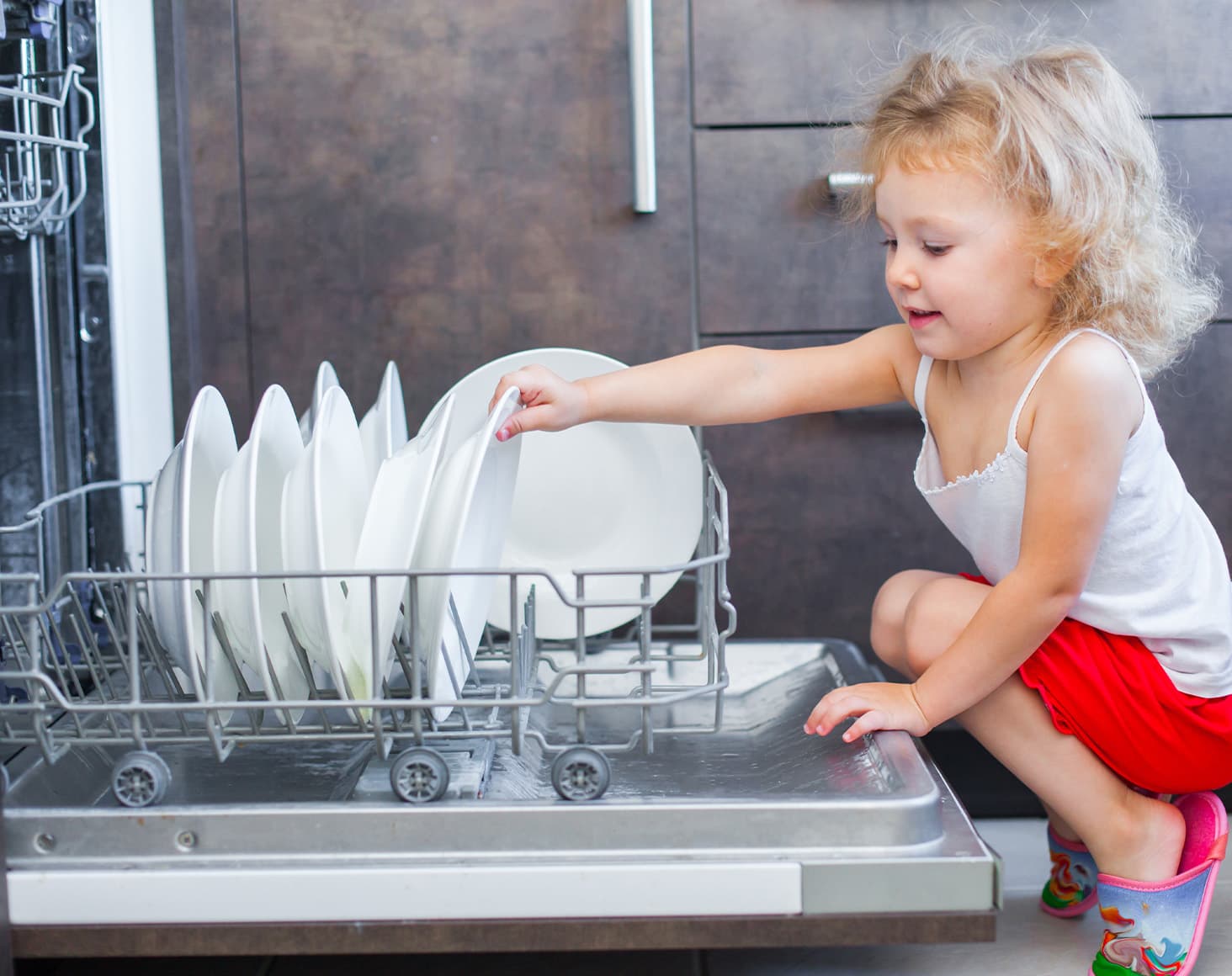
- Encourage Age-Appropriate Tasks – Encourage your child to try age-appropriate tasks on their own, but let them know there is nothing wrong with asking for help. For example, ask your child to clean up their toys or put their backpack away after school, and when they do, acknowledge the effort and thank them for helping you keep your home clean. If they’re struggling with a task, share a personal story about a time when you needed help on a project.
- Be Flexible – It’s fine to let your child know how you might do something, but if they find another way to get to the same exact result (even if it is more labor intensive), let them do it their way. They’ve figured it out!
Fostering independence takes time, patience and a willingness to let children practice, make mistakes and try again. By creating a safe space for your child, supporting them when needed and celebrating their effort along the way, you can help them develop develop the self-reliance and skills that will serve them now and in the years ahead.
Frequently Asked Questions
- When should children start learning independence? Independence can begin in early childhood through simple, age-appropriate tasks and choices, gradually increasing as children grow and gain confidence.
- How can I encourage independence without overwhelming my child? Start with small responsibilities and offer guidance without micromanaging. Increase the complexity of tasks gradually as your child builds confidence.