Why It’s Better to Encourage Than Praise
3 min read
On the surface, encouraging and praising both seem like no-brainers when it comes to your child. In reality, these two actions can have very different effects.
We want children to develop confidence in their ability to try new things, work hard and respectfully express their wants, needs and opinions. We want them to feel good about themselves based on their own conclusions — not based on others telling them how good they are. That’s where encouragement comes in.
Aim to encourage your child instead of dishing out praise or criticism. This takes a mindset shift for parents, but it’s a habit that will help nurture a more self-assured, independent child over time.
Start by scrubbing the words “good” and “bad” from your vocabulary. They may sound innocent, but these words can shape how children see themselves — either holding them back from trying new things or tying their confidence and self-worth to the opinions and feedback of others.
Instead, find ways to encourage and reflect rather than review and rate. Praise focuses on the product, while encouragement focuses on the effort.
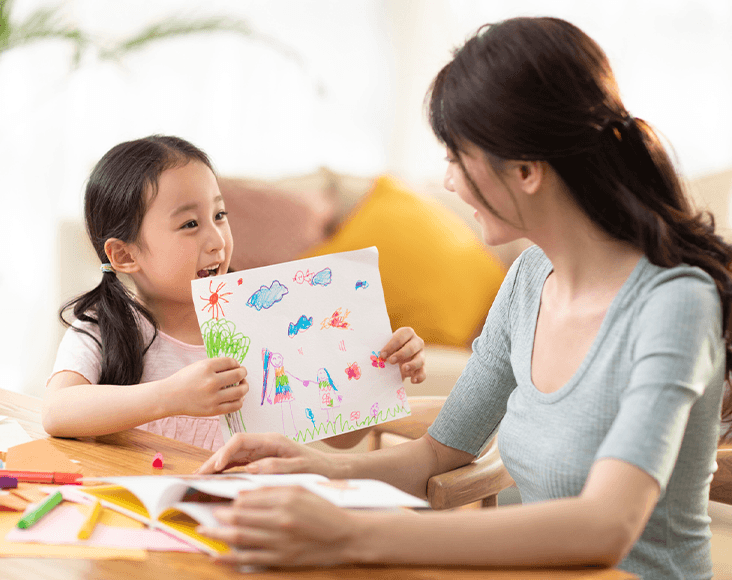
Example: Your 3-year-old brings you a drawing they’ve been working on and says with a big smile, “Mommy, look!” If you say, “Wow, I love it!” you’re subtly shifting your child’s personal art experience into receiving approval. Alternatively, you could say, “You spent a lot of time working on this. Look at all the colors you chose to use. I can tell by the smile on your face that you are very proud.” Now instead of reviewing the art, you’re reflecting back your observation of the effort your child put in and encouraging them to continue to work hard and feel proud.
Example: Your 4-year-old takes their plate to the kitchen sink after dinner. Instead of saying, “Good job!” you could say, “Thank you for carrying your dish to the sink. That was very helpful! I appreciate it when you help me in the kitchen.” “Good job” may not be meaningful to your child, but explaining that their action was helpful to others and expressing appreciation for it nurtures a sense of responsibility and internal motivation.
This technique requires practice and a mindset shift. You should monitor your reactions internally and catch yourself before responding to your child. You may feel thrilled with your child’s performance and have an urge to say, “You’re great!” or be furious that they’ve left their wet towels on the floor for the hundredth time, but this practice helps you pause before blurting out criticism or praise. In both cases, you can encourage your child to take responsibility for their achievements and behaviors.
If you provide reflective encouragement rather than ratings and reviews, you will see a longer-lasting positive result, with higher levels of self-esteem and more motivation and initiative in your child.
For more parenting tips and strategies, explore: