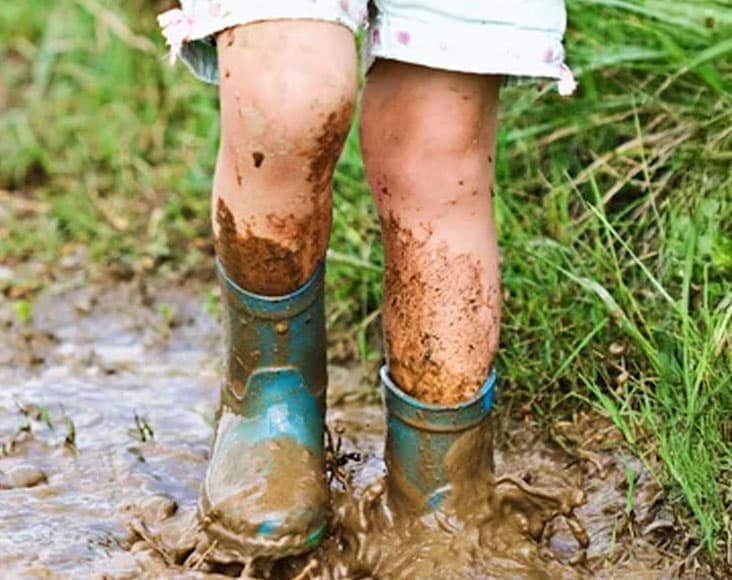
Why It’s Beneficial to Let Your Child Play in the Dirt
4 min read
In today’s technology-focused world, children are spending more time in front of screens and less time exploring outside, and it’s affecting their development in more ways than we realize. They’re not just missing out on vitamin D and numerous other health benefits, but also opportunities for movement, creativity and connection with nature.
So how can we encourage children to get outside and enjoy simple pleasures like running in the grass or getting messy by playing in the dirt?
Why it’s good for children to play in the dirt
Outdoor activities offer physical benefits like improved motor skills, stronger bones and healthy energy release. But beyond that, exploring outside from gardening to mud play helps young children learn about science, responsibility, conservation and even nutrition.
Spending time in nature has also been shown to reduce stress, spark curiosity and support emotional well-being. Giving children the freedom to explore, and even play with dirt, can lead to happier, more resilient children.
Exploring the natural world supports everything from sensory development to immune health. It also encourages creative thinking and independent play. Here are a few fun and easy ways to introduce your child to meaningful outdoor experiences that might just involve a little dirt.
Outdoor activities for children 3+
Make Mud Pies (Ages 3+)
Imaginative and sensory-rich mud pie making is a fun outdoor activity that gets your hands dirty. First, mix dirt with a little bit of water in a bucket until it reaches a dough-like consistency. Let your child knead, shape and flatten the mud, then decorate their “pies” with stones, flowers or leaves.
You can even host an outdoor tea party together, enjoying “tea and pie” in your yard.
Build Sand or Dirt Castles (Ages 3+)
If your child isn’t ready to get completely muddy, building sandcastles in the backyard can be a great alternative. Use nontoxic play sand or dry dirt and water to make your own at-home beach. Then work with your child to build structures using recycled containers, cups or beach toys. Add natural items like rocks, shells, sticks and leaves for decoration and imaginative fun.
Start a Garden Together (Ages 3+)
At Primrose schools, children learn about gardening and healthy choices through the Primrose Patch garden. Students help with the responsibilities of tending to plants, learn about healthy choices and nature, and often eat the vegetables they grow and harvest in school meals.
You can create a similar experience at home. Invite your little one to help plant and water your garden, measure the growth of plants and harvest produce (if you’re growing fruits or vegetables). Don’t worry about the mess, playing in the dirt is part of the fun and a great way to connect children with where their food comes from.
Create a Backyard Racetrack
With just a few natural materials, you can turn a patch of yard into a racetrack for toy cars. Use sticks, rocks and pine straw to outline the track, then let your child race their vehicles around the track. For added excitement, add a little water to make the track muddy. After the race is finished, make cleanup fun by setting up a car wash for the dirty trucks and cars.
Dirt Play Safety Tips:
Not all soil is safe for play. Be sure to select an area for you and your child to play in that is free from chemicals and animal waste. If you’re unsure, you can purchase organic, chemical- and manure-free soil for gardening and mud play. Just add water and you’re ready to go.
Letting your child play in dirt may feel simple, but it’s packed with developmental and emotional benefits. Whether they’re digging, planting or making muddy creations, these experiences can lead to lasting memories — and a deeper love for nature and learning.
For more on learning through outdoor play, check out: