For Families
Don’t Pass the Phone: 7 Alternatives to Screen Time
3 min read
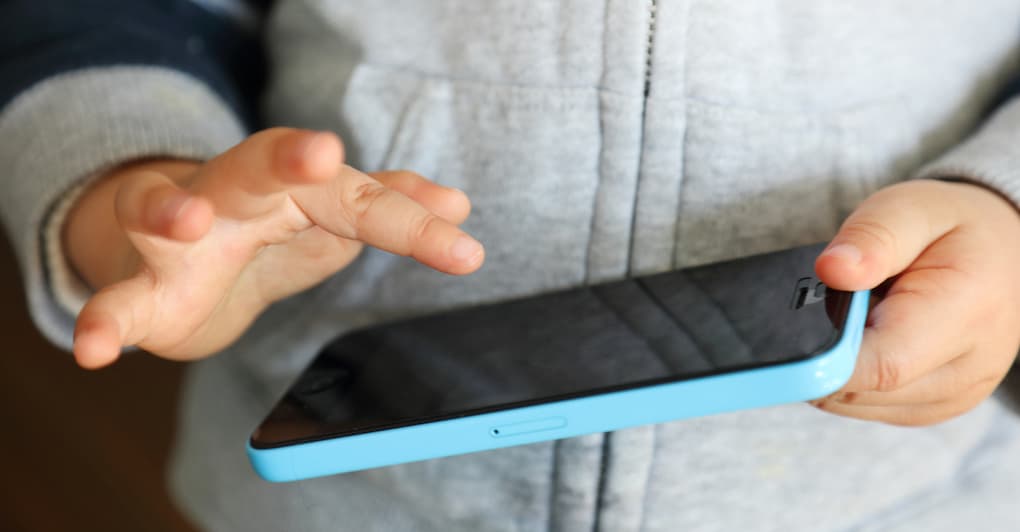
It’s widely recommended that children shouldn’t spend too much time in front of a screen.
How much screen time is too much for babies, toddlers, or preschoolers?
The American Academy of Pediatrics recommends limiting screen time to a total of 60 minutes per day for children ages 2 to 5 and avoiding screen time (aside from video chatting) for children under 18 months.
A child’s first five years are the most crucial for brain development. Young children need touch, interaction and real-world stimulation from people and three-dimensional objects. It’s helpful to have entertainment tactics that fall into these categories in your back pocket, even if your child isn’t engaging with screens!
What are screen time alternatives for children?
- Arts and Crafts: “To keep my toddler entertained when we are out to eat, I always bring stickers, paper and a pen,” says Liz, mom of one. “Most restaurants will give crayons, but they inevitably fall on the floor throughout the meal. A pen usually stays in her hand, and stickers will keep her busy for hours.” Have a bin full of age-appropriate art supplies, like construction paper and crayons. You can also include fun items like popsicle sticks, pipe cleaners or crepe paper streamers.
- Kinesthetic Items: Squishy balls, blocks, puzzles or other items that are designed for toddlers and can be manipulated are both entertaining and helpful to stimulate your child’s sense of touch.
- Pop-up Books: While the movement, bright colors and sounds of screen games appeal to toddlers, three-dimensional books with flaps or pop-ups will engage your child in a similar way and nurture his literacy skills.
- Play Dough: Rolling, patting, smashing and squeezing play dough helps children develop hand-eye coordination and tactile exploration.
- “I Spy” and Other Observation Games: Play games that help your child use her observational skills to find colors and objects in the environment. “We make lists or use printables of objects for our kids to use during longer car rides,” says Julie, mom of four. “It keeps them entertained as they try to find trucks, trees and traffic signs before their siblings.”
- Cooking Together: When you are preparing dinner, instead of handing your preschooler a tablet, assign them an age-appropriate task in the kitchen. Invite them to help mix, pour and stir. This is a great opportunity to talk about health and nutrition while making memories.
- Sorting Tasks: You’ll need two containers (laundry baskets or bins will do) and a mix of different sized or colored items, such as balls or socks. Invite your little one to sort the items into the two containers. This is a great way to keep your child engaged when you need to do some housework.
Looking for more? Discover helpful screen time tips for the entire family.