Teaching Children the Meaning of Conservation
3 min read
Did you know that Earth Day is observed every year on April 22? This unique holiday is the perfect opportunity to teach your child about the importance of caring for the Earth because “we only have one planet, just like there is only one you!” At Primrose schools, teachers use Primrose Friend Megy® the pig to make learning about conservation fun and engaging. You can help your child become a conservation superhero like Megy with these simple tips for building eco-friendly habits.
Break down the big ideas into small steps.
As adults, we’re used to hearing phrases like “save the planet” or “protect our environment.” But for young children, broad statements like this can be challenging to understand. Look for simple, teachable moments to demonstrate ways to respect and care for our environment. For example, when coloring or drawing with your child at home, encourage them to use both sides of the paper. This small change can help your child understand that little things can make a big difference in caring for our planet. You can also try using fun rhymes or silly phrases like “Both sides please, save the trees!” to help make these habits stick.
Introduce ways to save resources.
While we always encourage children to embrace their curiosity and creativity, we understand the importance of helping them understand that most resources are not unlimited — especially natural ones. Simple rhymes like “One dot of glue will do” can help a child see how easy it is to save a resource. And once they begin to grasp that resources are limited when crafting, it’s easier to apply that idea to natural resources like water and energy.
Make conserving energy fun at home.
Your child likely already notices the energy-efficient habits you demonstrate every day at home, whether that’s turning the lights off when you leave, not running the water while brushing your teeth and reusing materials when possible. You can help your child adopt eco-friendly routines and practice responsibility by inviting them to join you in these around-the-house habits.
Create conservation habits to leave a lasting impact.
When it comes to conservation, even the smallest steps have the potential to make a big difference. Here are a few conservation ideas that you and your family can try on Earth Day and beyond.
- Bring reusable bags to the grocery store
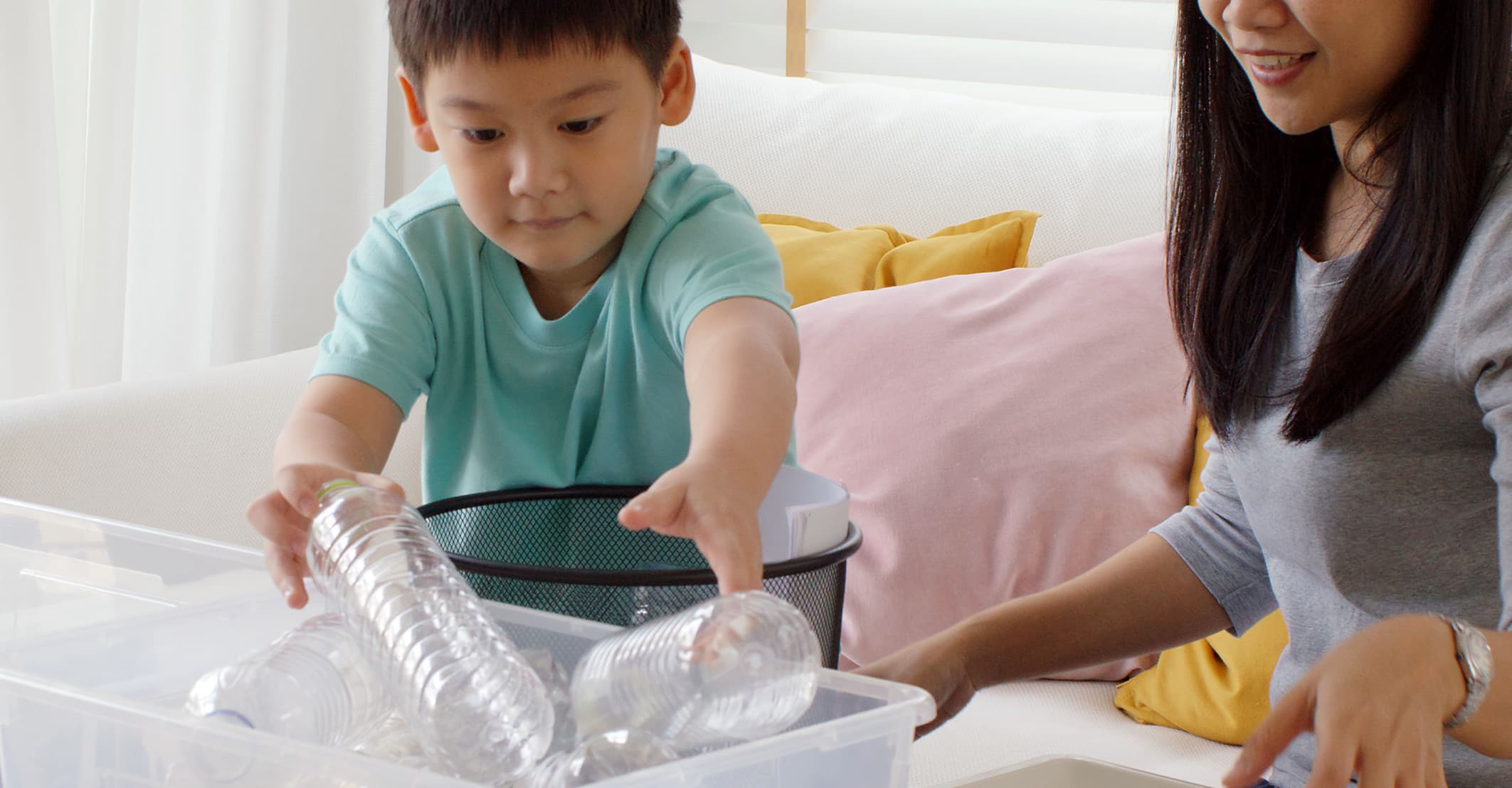
- Place cans, cardboard and other recyclable materials into the appropriate recycling bins
- Turn off the lights when you leave a room
- Turn the water off when brushing your teeth
- Make art using only existing materials from your home
- Create a homemade gift without buying anything new
When trying these tips, remember to have fun and celebrate progress over perfection. It may take time before your child can grasp these concepts — and that’s okay! To learn more about caring for and exploring our planet with your little one, check out: