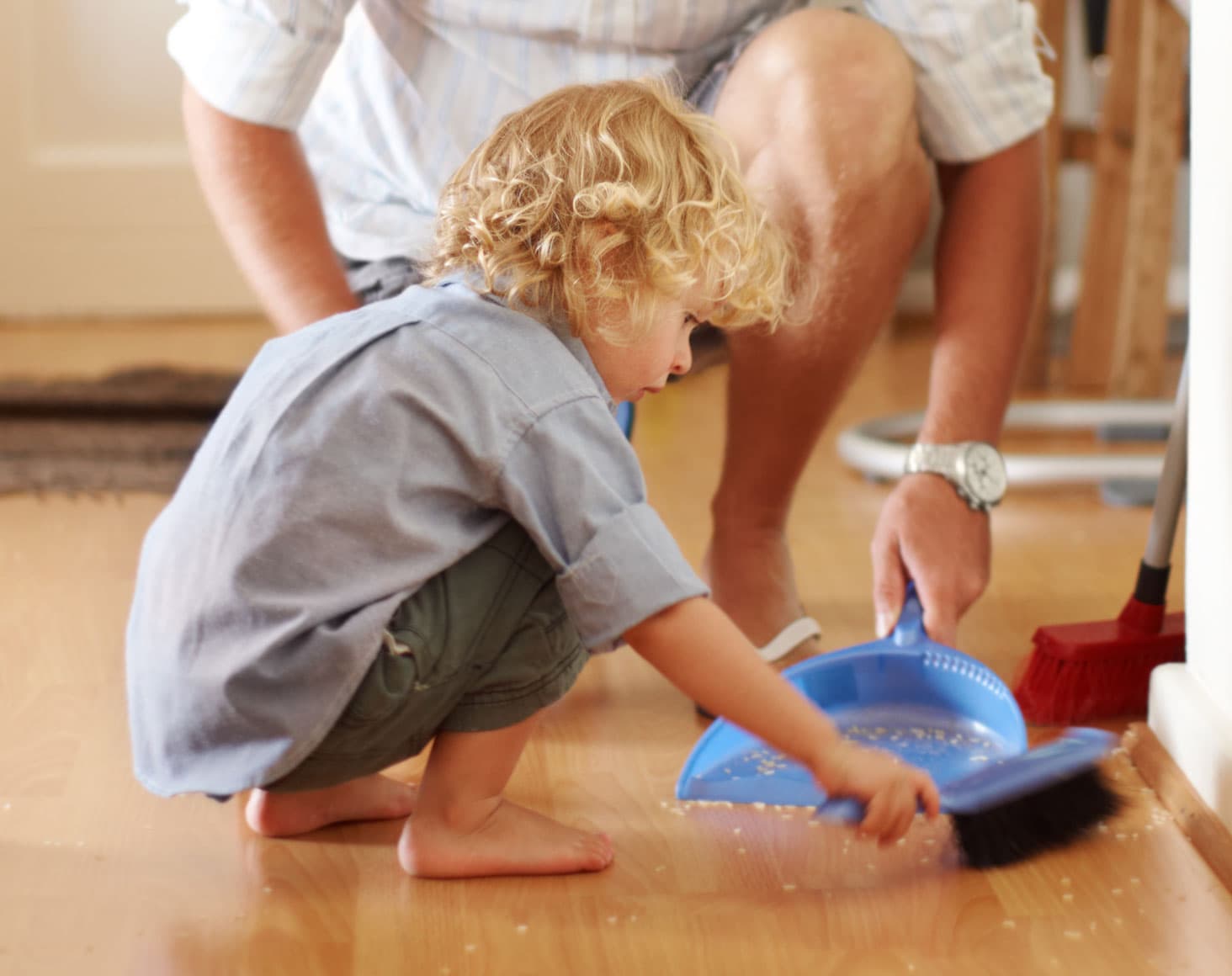
Teaching Your Child Responsibility
4 min read
Responsibility isn’t a trait we’re born with — it’s a skill that takes time and effort to develop, and the first five years of life offer a powerful window for teaching it. During this critical stage of brain development when their brains are building more connections than ever, learning positive traits like responsibility helps lay a foundation for good character in the future. By introducing your child to the concept of responsibility early on, you help them build skills they’ll carry into school, relationships, and the world beyond.
Start with Self-Regulation
As you introduce the concept of responsibility to your little one, keep in mind that they’re still gaining a broad perspective on how their actions — or reactions — impact the world around them. The process of learning how to appropriately respond to different situations is called self-regulation and this skill is closely tied to responsible behavior. Self-regulation teaches your child to stop, assess a situation, and respond appropriately based on what they already know.
For example, they will remember that waiting in line to go on the slide is respectful and the right thing to do, while pushing their way to the front is not. These small but important distinctions help children see how their choices affect others.
Teach Responsibility Through Everyday Tasks
It’s important to teach your child to stop and think about the impact their behavior and reactions have on the world around them. Giving your child the option to make decisions about their behavior fosters independence and empowers them to think for themselves. Assign them age-appropriate tasks like
- Setting the table
- Fillng the pet’s food and water bowls
- Putting toys away after playtime
Talk with your child about how completing these tasks contribute to the family’s well-being. Simple responsibilities like these will help your child see the “why” behind each task encourages a sense of purpose and pride.
Set a Strong Example
Children learn from watching adults around them, which means your example of responsibility matters. If you ask your child to pick up after themselves and to put things away where they belong, demonstrate that behavior too. Whether it’s putting away your shoes or cleaning up after dinner, consistent modeling reinforces your message.
Read About Responsibility
Reading books about responsibility with your little one is a great way to help them learn about the importance of this skill while spending quality time together. Stories can help your child visualize responsible behaviors in different contexts, making abstract ideas more concrete.
Need some reading inspiration? Check out our curated book list for age-appropriate reads that explore responsibility and other positive character traits!
Show Your Appreciation
When your child completes a task on their own, tell them thank you and connect their help back to the big picture. For example, say “Thank you for setting the table, now we’re all ready to enjoy dinner together!”
This will reinforce your child’s decision to carry out their assigned tasks and is likely to resonate with them the next time they’re asked to complete something.
How Responsibility is Taught at Primrose Schools®
At Primrose Schools, character development is build into our exclusive Balanced Learning® curriculum. Through daily lessons using the 12 Primrose Friends puppets, children learn important life skills.
One of these Friends, AllySM the bunny, helps teach children that behaving responsibly helps everyone! Teachers use Ally to encourage younger students to put toys back on the shelf or blocks back into a bin when asked, while older children help Ally SM around the classroom with “jobs” like classroom ambassador, weather reporter and plant waterer. Children also learn how to be responsible for keeping their bodies happy and healthy through habits like hand washing, teeth brushing and eating nutritious foods.
Whether they’re helping with chores at home or being the line leader at school, children gain confidence and purpose when they’re trusted with responsibilities. Practicing these skills regularly helps lay the foundation for a well-rounded, dependable individual. For more on how you can teach your child valuable character traits, visit: