When It’s Not Their Birthday: How to Help Children Celebrate Others
5 min read
If you’ve ever taken a toddler or preschooler to a birthday party, you’ve probably caught yourself saying:
“Hands to yourself. That’s not your present.”
“She doesn’t need help opening gifts, sweetie.”
“It’s his turn. Today is his special day.”
While these moments can feel embarrassing for parents, they’re actually a normal part of your child’s development.
For young children, birthday parties can bring a mix of excitement, confusion and big emotions. They see presents, cake, decorations and lots of attention focused on someone else, and they naturally wonder, “What about me?”
Children this age are still learning how to share, take turns and understand that not everything belongs to them — and birthday parties are the perfect opportunity to practice these important social-emotional skills.
Here are five ways to prepare your child to celebrate others and enjoy the party experience.
-
Talk About Expectations Before the Party
A little preparation can go a long way. Before you arrive, talk through what your child can expect. Explain whose birthday it is, why birthdays are celebrated and what their role is as a guest.
Try saying:
“Today we’re celebrating our friend. We’re bringing a gift to show we care about them, and we’ll get to have fun together. Even though it’s not our birthday, we can help make their day special.”
These conversations help children understand what will happen and reduce surprises that can lead to disappointment or frustration. You can also remind them about simple birthday party etiquette, such as waiting their turn, keeping hands off gifts and cheering for the birthday child.
-
Help Your Child Focus on Giving
One way to shift attention away from receiving is to involve your child in the gift-giving process. Invite them to help pick out a present, wrap it or create a homemade birthday card. Even young children can participate:
- Babies can make handprints or fingerpaint artwork.
- Toddlers can decorate a card with stickers or drawings.
- Preschoolers may be able to write their name or dictate a birthday message.
Creating something for a friend helps children practice kindness and reinforces the idea that birthdays are about celebrating others.
-
Validate Big Feelings and Teach Emotional Regulation
Even with preparation, some children may feel jealous, left out or disappointed. Those emotions are normal. Instead of telling children not to feel sad or upset, acknowledge what they’re experiencing.
Try saying:
“You wish you were opening presents, too. That can feel hard.” When children feel understood, they’re often better able to move through their emotions. If your child becomes overwhelmed, step away from the excitement for a few minutes and try a calming strategy such as:
- Taking deep breaths together
- Counting slowly to 10
- Going for a walk outside
- Finding a quiet space to read or cuddle
These moments help children build self-regulation skills they’ll use in many situations beyond birthday parties.
-
Give Siblings a Special Role
Birthday celebrations can be especially challenging for siblings as they watch their brother or sister receive all the attention. One way to help is by giving siblings meaningful responsibilities before and during the celebration. Depending on their age, they might:
- Help decorate
- Assist with party setup
- Welcome guests
- Hand out favors
- Help choose a birthday gift
When children have a purpose, they often feel included rather than overlooked, and recognizing their contribution helps them feel valued while still keeping the focus on the birthday child.
-
Know When Less Is More
Today’s birthday parties can be bigger and more stimulating than ever, with bounce houses, character appearances, elaborate themes and packed schedules. While these celebrations may be exciting, they can also be overwhelming for young children. Consider your child’s temperament and developmental stage when deciding how long to stay. A two-hour party may feel manageable, while a four-hour event could lead to exhaustion and meltdowns. Watch for signs that your child needs a break and give yourself permission to leave early if necessary. Remember, a successful party isn’t measured by how long you stay. It’s measured by whether your child had a positive experience.
The Bigger Lesson Behind Birthday Parties
Learning to celebrate someone else’s special day is about more than good manners. It’s an opportunity for children to practice empathy, patience, gratitude and friendship — social-emotional skills that shape how children relate to others throughout their lives. At Primrose®, we believe who children become is as important as what they know, and everyday moments like birthday parties are part of that journey.
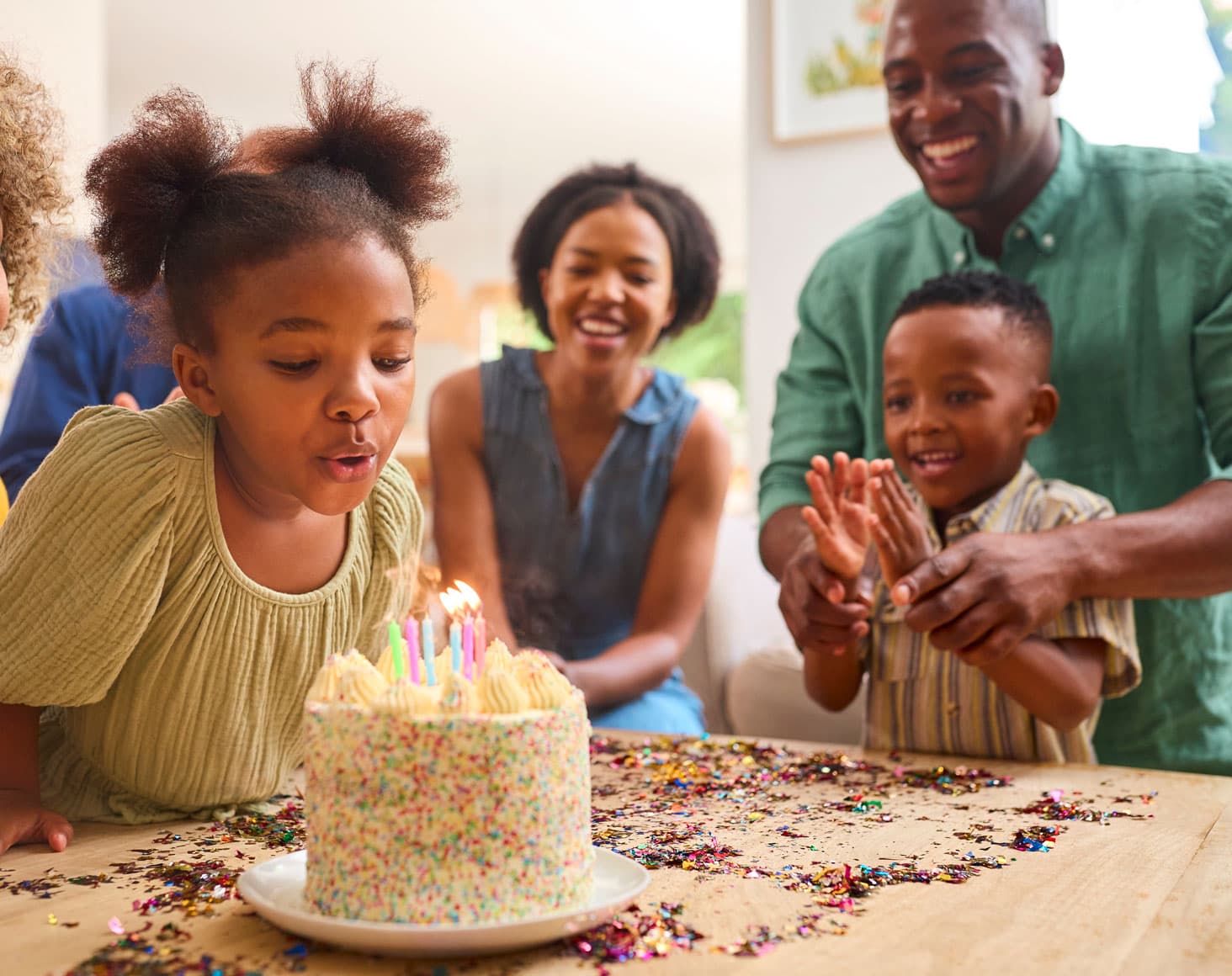
And when it’s finally your child’s turn to blow out the candles? Remember that children don’t need over-the-top parties, viral-worthy decorations or extravagant entertainment. What they usually want most is simple: time with people they love.
After all, that’s what birthdays are really about.
More Resources on Social-Emotional Development