Dental Care Tips for Children Ages 0-6: Building Healthy Habits for a Lifetime
5 min read
A healthy smile starts long before your child loses their first tooth. From wiping tiny gums in infancy to helping preschoolers master independent brushing, the early years are the perfect time to build dental habits that can last a lifetime.
If you’re wondering how to care for your child’s teeth at every stage, these age-specific dental care tips can help keep growing smiles healthy while making oral hygiene a natural part of your family’s daily routine.
Why Is Early Dental Care Important?
Healthy teeth do more than create bright smiles. Good oral hygiene supports eating, speaking and overall well-being. Establishing positive dental habits early can also help children feel more comfortable with brushing, flossing and regular dental visits as they grow.
By making dental care a consistent part of your child’s day, you’re helping them develop healthy routines they can carry into adulthood.
Dental Care Tips for Infants and Toddlers (Ages 0-2)
Even before your child’s first tooth appears, you can begin supporting good oral health.
1. Start Before the First Tooth
Dental care begins with healthy gums. After feedings, gently wipe your baby’s gums with a soft, damp washcloth. This helps remove bacteria and familiarizes your child with oral care routines.
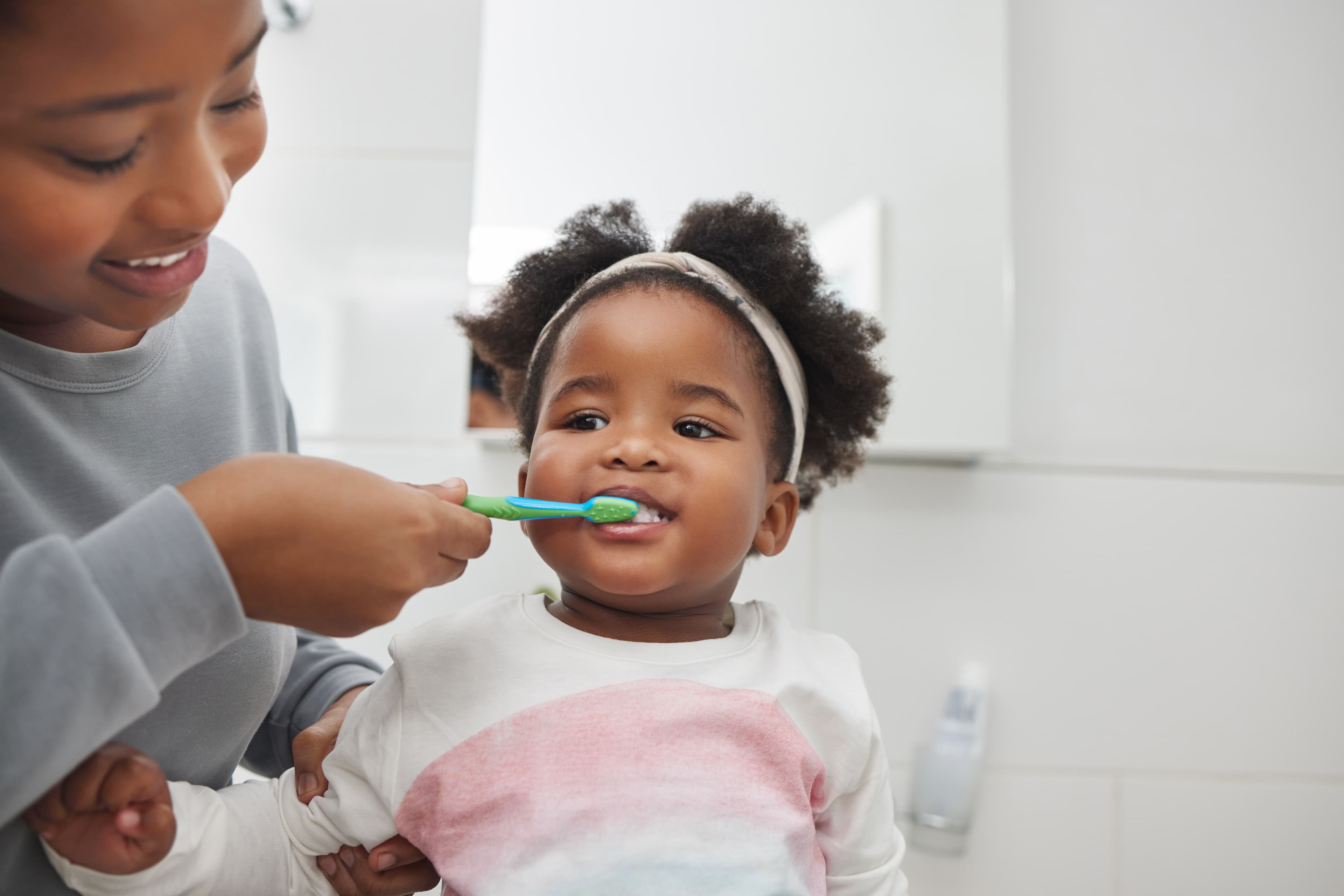
Once teeth begin to emerge, switch to a soft-bristled infant toothbrush and gently brush twice a day.
2. Use the Right Amount of Toothpaste
As teeth come in, use a tiny smear of age-appropriate toothpaste, about the size of a grain of rice. As your child gets older, follow your dentist’s recommendations about toothpaste and oral care products that are right for their age and needs.
3. Schedule the First Dental Visit
Many dentists recommend scheduling a child’s first dental visit by their first birthday or within six months of the first tooth appearing.
Early visits help monitor healthy development, answer questions and allow children to become familiar with the dental office in a positive, low-pressure environment.
4. Avoid Letting Sugary Drinks Sit on Teeth
Whether it’s milk, juice or another sweetened beverage, prolonged exposure to sugar can contribute to tooth decay. Encourage water between meals when appropriate, and avoid sending children to bed with bottles that contain anything other than water.
Make Dental Health Fun with Katie® the Cat!
Looking for a fun way to reinforce healthy brushing habits? Watch Primrose Friend Katie the cat sing and learn about the importance of brushing teeth in this episode from The Primrose Friends YouTube Channel. Singing, dancing and learning together can help make brushing a positive part of your child’s daily routine.
Dental Care Tips for Preschoolers and Pre-K Children (Ages 3-5)
As children become more independent, consistency and supervision remain important.
1. Make Brushing Part of the Daily Routine
Young children thrive on predictable routines. Brushing teeth in the morning and before bedtime helps establish clear expectations and reduces daily reminders.
Try pairing toothbrushing with other regular activities, such as getting dressed or putting on pajamas, so it becomes a natural part of the day.
2. Turn Brushing Into Play
Two minutes can feel like a long time for a preschooler. Consider:
- Playing a favorite song during brushing
- Using a timer
- Creating a brushing chart
- Letting your child choose their toothbrush
Small moments of fun can make healthy habits easier to maintain.
3. Brush Together
Children often learn by watching the adults around them. Brushing alongside your child gives you an opportunity to model proper technique while making the experience feel like a shared activity.
4. Continue Supervising
Although many preschoolers want to brush independently, they may not yet have the coordination needed to clean every surface of their teeth effectively.
Stay nearby to help guide brushing and ensure all teeth, especially those in the back of the mouth, receive attention.
5. Keep Up With Regular Dental Checkups
Routine dental visits help monitor your child’s oral development and allow dental professionals to identify concerns early. Regular checkups can also reinforce the importance of maintaining healthy brushing habits at home.
Frequently Asked Questions About Dental Care for Children Ages 0-5
When should I start brushing my baby’s teeth?
You can begin cleaning your baby’s gums before teeth appear and start brushing as soon as the first tooth emerges.
How often should children brush their teeth?
Children should brush their teeth twice a day, ideally in the morning and before bedtime.
How long should children brush their teeth?
Aim for two minutes each time they brush.
When should my child first visit the dentist?
Most dental professionals recommend a first visit by age 1 or within six months of the first tooth appearing.
At what age can children brush independently?
Many children continue to need supervision and assistance through ages 6-8 as they develop the coordination needed to brush effectively.
Helping Your Child Build a Lifetime of Healthy Habits
The early years are filled with opportunities to build skills and routines that support lifelong well-being. By making dental care a positive, consistent part of your family’s day, you’re helping your child develop confidence, independence and healthy habits that can last for years to come.
From first teeth to first-grade smiles, a little daily practice can go a long way toward keeping your child’s smile bright and healthy.