Behavioral Guidance Tips for Preschoolers
3 min read
Have you ever asked your child to “be good”? Most parents want their children to act with kindness and integrity, but it’s important to look at a child’s behavior through a developmental lens instead of just “good” or “bad.”
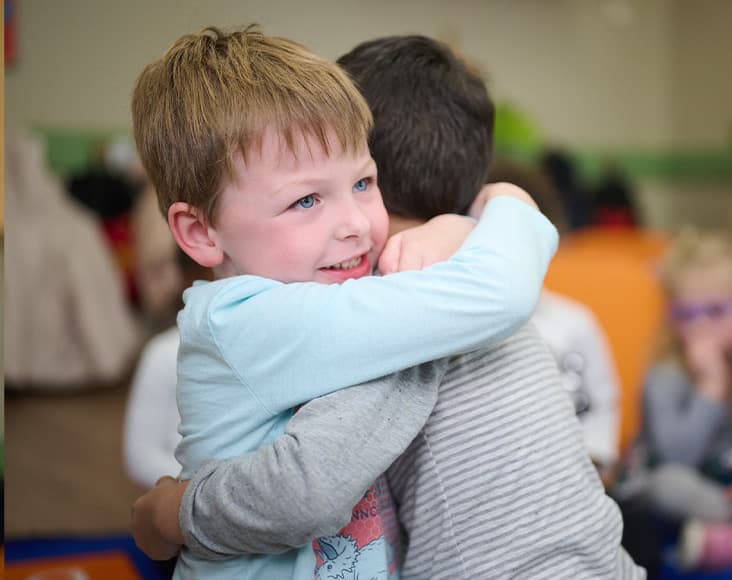
During your little one’s first five years, you can help them foster prosocial behavior, which means behavior that intentionally benefits others while having a strong sense of self-awareness and confidence. It’s characterized by acts of kindness and demonstrations of concerns and empathy. Children who develop these skills at a young age are more likely to form strong relationships with others, care for their communities and make healthy decisions.
Why Positive Behavior Is Important
Children aren’t born with the ability to self-regulate their emotions (being able to calm themselves when having intense emotions); it’s a skill that needs to be taught and practiced. When a child learns about emotions and sees another person expressing them, it’s easier for them to process their own feelings and self-regulate when they need to. That leads to feeling empathy for other people and showing positive behavior at home, school and beyond.
Positive Behavior in Primrose Classrooms
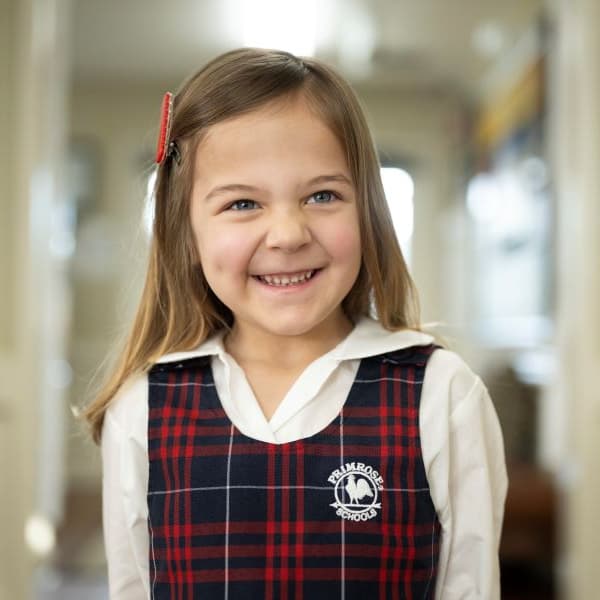
At Primrose schools, teachers foster positive behavior by helping students identify feelings and use appropriate words to describe them. They also utilize the Primrose Friends — 12 engaging classroom puppets that help foster traits like kindness, respect, fairness and cooperation in children — as they practice self-regulating. These strategies strengthen prosocial skills like following directions, listening, taking turns and communicating their needs.
Teaching Positive Behavior at Home
Books about feelings and emotions are a valuable resource for fostering positive behaviors. As you read with your child, ask them questions like “Can you think of a time you felt this way?” or “How does your body feel when you are (insert feeling)?” Your child can also draw or point out faces in images that show different feelings such as sadness, happiness or anger and use them to express what emotions they’re feeling.
It’s important to tell your child that all emotions are okay, and that we all experience them. Emotions themselves are not “bad,” but it is important to learn how to express them appropriately. Try teaching your child ways to self-regulate when their emotions are overwhelming. Methods like deep breathing, active play or exercise, and stepping away from a stressful situation can help your child manage their thoughts and feelings in a healthy, productive way. Remember that a child in the middle of big feelings is less likely to receive your message, so wait until they are in a calm and safe space emotionally to talk about these strategies.
Fostering empathetic, positive behavior in your child can be a rewarding experience for both of you and it has big benefits for your little one’s future. For more on how to teach your preschooler positive habits, check out: