3 Ways Music Teaches Children Courage
3 min read
To understand the connection between music and courage, look no further than the “pump-up song.” Professional sporting events often feature loud, upbeat music designed to excite the players and fans and get everybody ready for the game.
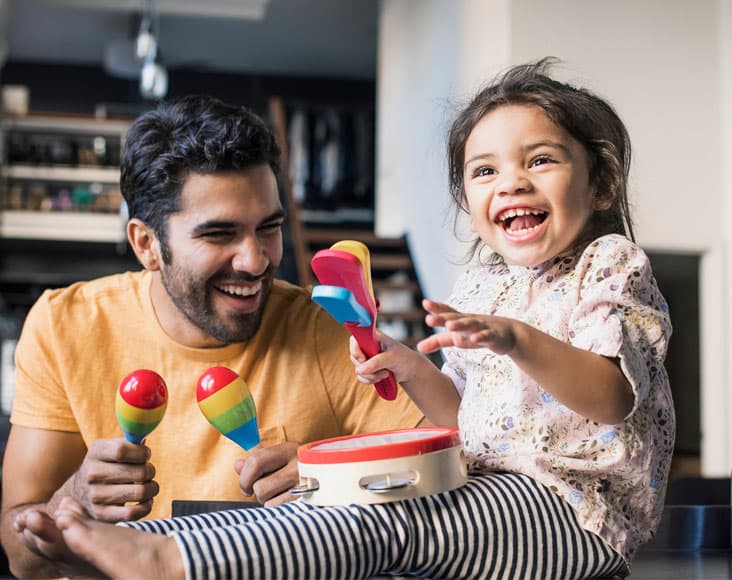
Of course, you don’t have to be a pro athlete to build courage through music. Listening to, playing and singing and dancing along to music helps children build confidence, competence, social skills and even bravery, which is why music education is so important.
At Primrose Schools®, our Harmony & Heart® program gives children the opportunity to sing, dance and play instruments every day.
“During Harmony & Heart, everyone becomes a musician, because the goal is to foster a love of music and help children gain the courage that comes from a willingness to try new things,” says Dr. Amy Jackson, chief early learning strategy officer at Primrose Schools.
Read on to learn how music education helps instill courage in children.
- Music facilitates self-expression. Music is personal. Everyone experiences it differently. Making music or dancing is a way for children to express themselves and their feelings. They can explore their emotions through singing, playing instruments or moving to the music.
- Music encourages trial and error. Learning something new, including music, can be challenging. Whether you’re trying to hit a certain note or keep up with a fast rhythm, it takes practice. Harmony & Heart is about instilling a lifelong love of music, not achieving mastery, so it’s a safe place for children to try things.
- Music promotes positivity and optimism. Each morning, Primrose classrooms play their own version of pump-up songs from the Harmony & Heart music collection. (Listen to the songs children learn in the classroom on your favorite streaming or download service.) These welcoming, happy tunes — cock-a-doodle-doo, good morning to you! — help children feel positive about the day to come, which makes it easier to take risks and be courageous.
Parents can use music to foster courage at home, too. You can encourage your little one to try new things by listening along with them to a type of music they might be unfamiliar with, such as jazz or folk music. Enjoying music at home is a fun way to form strong bonds within your family. You can invite your child to sing or dance for Grandma and Grandpa, or to lead a kitchen dance party with the whole family.
Encouragement is one thing, but it’s important not to force children to perform, whether for family or in public, until they’re ready, Jackson says. Be patient; shy children often become bolder as they grow. A child who doesn’t want to sing in front of anyone in preschool might be eagerly trying out for the middle school musical, she says.
After all, building music skills, and the courage to show them off, is a lifelong journey.
For more on Primrose’s approach to music education, read: